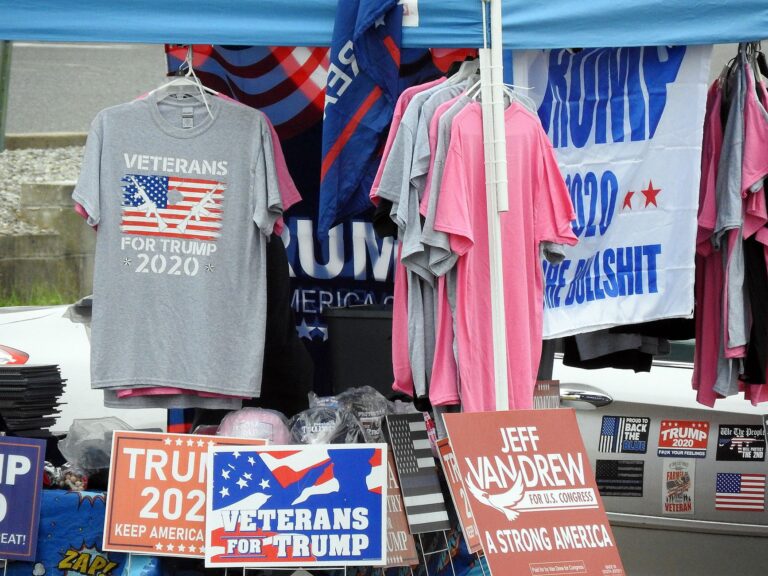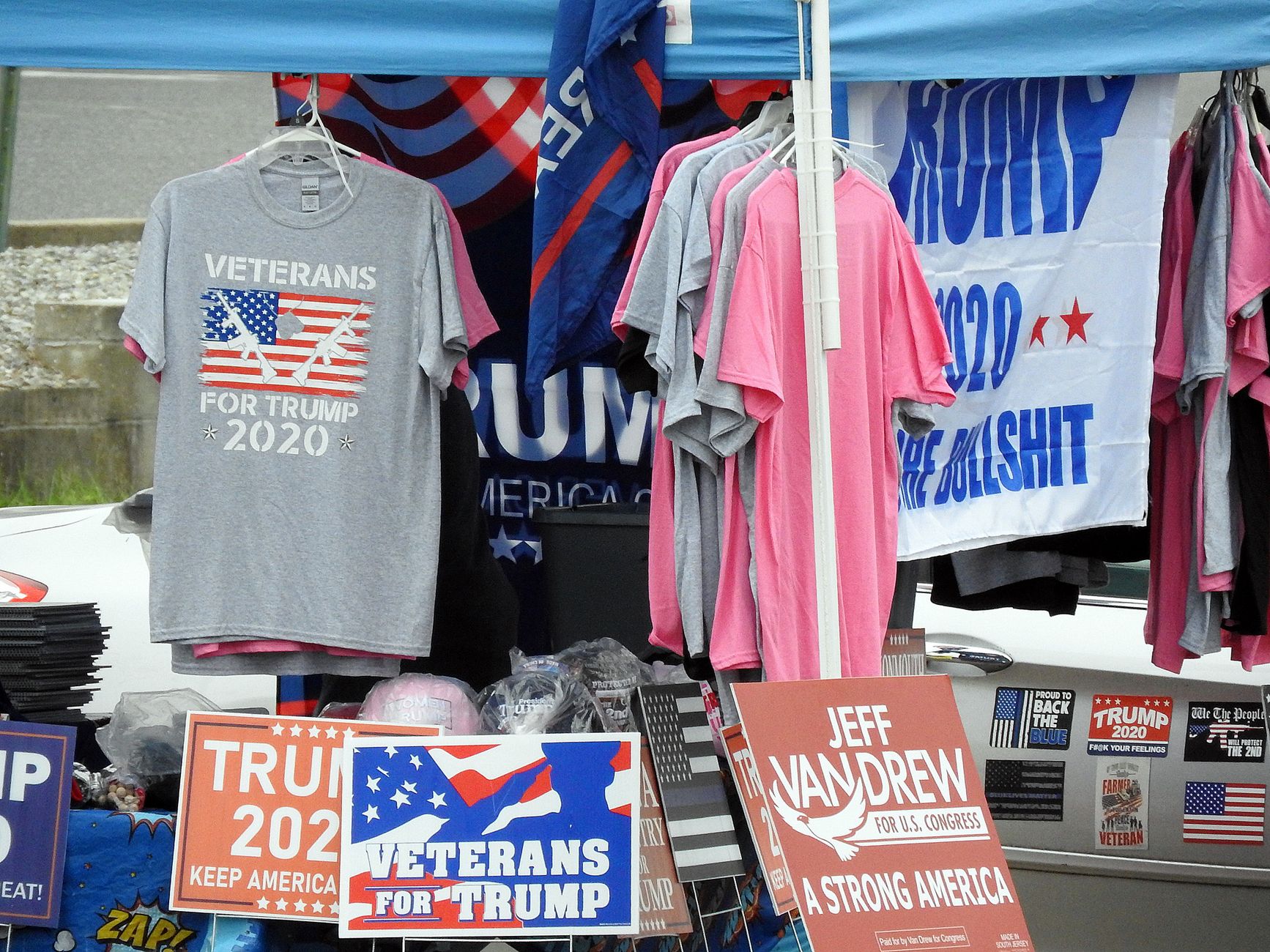
Trump endorses Irish reunification, a surprising move that breaks with decades of U.S. policy towards Ireland and Northern Ireland, sparking varied reactions.
Background on U.S. Policy
For decades, U.S. foreign policy has maintained a delicate balance regarding the issue of Irish reunification. Historically, American administrations have supported the Good Friday Agreement, which established a framework for peace between Northern Ireland and the Republic of Ireland. This agreement was seen as a critical step in resolving the longstanding conflict known as “The Troubles.”
Previous presidents, regardless of party affiliation, have generally promoted stability in the region, discouraging any actions that might jeopardize the hard-won peace. The U.S. has often acted as a mediator, emphasizing the importance of dialogue among all parties involved.
However, the recent endorsement of Irish reunification by Trump marks a notable departure from this long-standing policy. His statement has sparked discussions on the potential implications for U.S.-Ireland relations and the future of Northern Ireland. Many are left to ponder how this shift might affect the ongoing peace process in the region.
Trump’s Shift Explained
Former President Donald Trump’s recent endorsement of Irish reunification marks a significant departure from established U.S. foreign policy regarding the region. Historically, the U.S. has supported the Good Friday Agreement, which emphasizes peace and stability in Northern Ireland while maintaining its current political boundaries.
This unexpected shift raises questions about Trump’s motivations and potential implications for U.S.-Ireland relations. Analysts suggest that his stance might resonate with a segment of the American electorate with Irish heritage, who may favor a united Ireland.
Furthermore, Trump’s endorsement could embolden nationalist movements in Northern Ireland, complicating existing political dynamics. Observers note that this break from decades of U.S. policy could impact diplomatic relations, as the country navigates its role in international affairs.
As discussions around Irish reunification gain momentum, the implications of Trump’s position will continue to be scrutinized in both political and social contexts.
Reactions from Political Leaders
Reactions to former President Donald Trump’s endorsement of Irish reunification have been swift and varied among political leaders. Many see this move as a significant departure from longstanding U.S. policies regarding Northern Ireland.
- Irish Minister for Foreign Affairs Simon Coveney expressed cautious optimism, stating that any support for peace and unity in Ireland is welcome.
- Former Vice President Joe Biden emphasized the importance of maintaining the Good Friday Agreement, urging that any discussions around reunification must prioritize stability.
- British Prime Minister Rishi Sunak reiterated his commitment to the Union, asserting that the future of Northern Ireland should be determined by its citizens.
- Senator Chuck Schumer called Trump’s endorsement a historic moment, highlighting that Irish reunification should be approached with sensitivity and respect for differing viewpoints.
The political landscape is shifting as Trump’s endorsement of Irish reunification challenges traditional alliances and perspectives in the region.
Impact on Irish Relations
The recent endorsement of Irish reunification by former President Donald Trump marks a significant shift in American foreign policy, potentially reshaping U.S.-Irish relations. This unexpected stance could influence diplomatic discussions and negotiations surrounding Ireland’s political landscape.
Supporters of the reunification argue that Trump’s backing could galvanize support among those advocating for a united Ireland. Conversely, critics worry that such a position may exacerbate tensions in Northern Ireland, where the issue remains divisive.
In addition to the immediate political ramifications, Trump’s endorsement may also affect the perceptions of U.S. engagement in the peace process. The potential for renewed dialogue could either enhance or strain relationships between the U.S., the UK, and Ireland.
As Trump’s statement reverberates through political channels, stakeholders on both sides of the debate are closely monitoring the implications for future relations and the broader geopolitical landscape.
Historical Context of Irish Reunification
The concept of Irish reunification has deep historical roots, stemming from centuries of conflict and division between Northern Ireland and the Republic of Ireland. The partition of Ireland in 1921 marked a significant turning point, creating a border that would lead to decades of political strife and violence. The Good Friday Agreement of 1998 was a landmark moment, establishing a framework for peace and cooperation between the two regions.
Over the years, U.S. policy has typically supported maintaining the status quo, emphasizing stability in Northern Ireland. However, Trump’s recent endorsement of Irish reunification represents a significant departure from this longstanding approach. This shift could potentially reshape the dynamics of U.S.-Irish relations, as well as influence discussions around sovereignty, identity, and governance on the island.
As political leaders grapple with the implications of this endorsement, the conversation around Irish reunification is reignited, reflecting both historical legacies and contemporary aspirations.
Future Implications for U.S. Diplomacy
The recent endorsement of Irish reunification by Trump marks a significant shift in U.S. diplomacy, potentially reshaping transatlantic relations. This unexpected stance raises questions about the future of American involvement in European affairs, particularly in relation to the long-standing conflict in Northern Ireland.
Analysts suggest that Trump’s support could embolden nationalist movements within Ireland, influencing public opinion and political dynamics. It may also prompt a reevaluation of U.S. foreign policy priorities, as leaders grapple with the implications of endorsing a unified Ireland.
Furthermore, this shift could impact U.S.-U.K. relations, especially given the historical ties between the two nations. As Trump endorses Irish reunification, the administration may need to navigate a complex landscape where both Irish and British interests are at stake, indicating a new era of American diplomacy in the region.
Overall, Trump’s endorsement could have far-reaching consequences, necessitating careful consideration of its effects on both sides of the Atlantic.
Public Opinion on Reunification
Public opinion on Irish reunification has been a complex and evolving issue, especially in the wake of Trump’s endorsement of the idea. Recent surveys indicate a growing support among the Irish populace for reunification, with a notable increase in favor among younger voters.
Many citizens view the endorsement as a sign of changing tides in diplomacy, which could impact their voting preferences in future elections. A recent poll revealed that:
- 58% of respondents support the idea of reunification.
- 65% of younger voters (aged 18-34) back the notion, compared to 45% of those over 55.
- Concerns about economic implications and social integration remain, yet they are being mitigated by increasing dialogue.
Trump’s stance may catalyze further discussion on the matter, potentially influencing both public sentiment and political agendas surrounding Irish reunification.
In a surprising turn of events, Trump endorses Irish reunification, signaling a potential shift in international relations. Analysts are closely examining the implications of how Trump endorses Irish reunification on the future of U.S.-Ireland ties.
Photo by Allen Beilschmidt sr. on Pexels
Read the original
You might also like
- Dhoni stake ownership: The Real Impact on CSK
- AI Regulation for Children: Smart Steps for Safer Online Use
- Apoorva Mukhija DJ: What Makes Him the Best Rebel Kid?
About the Author