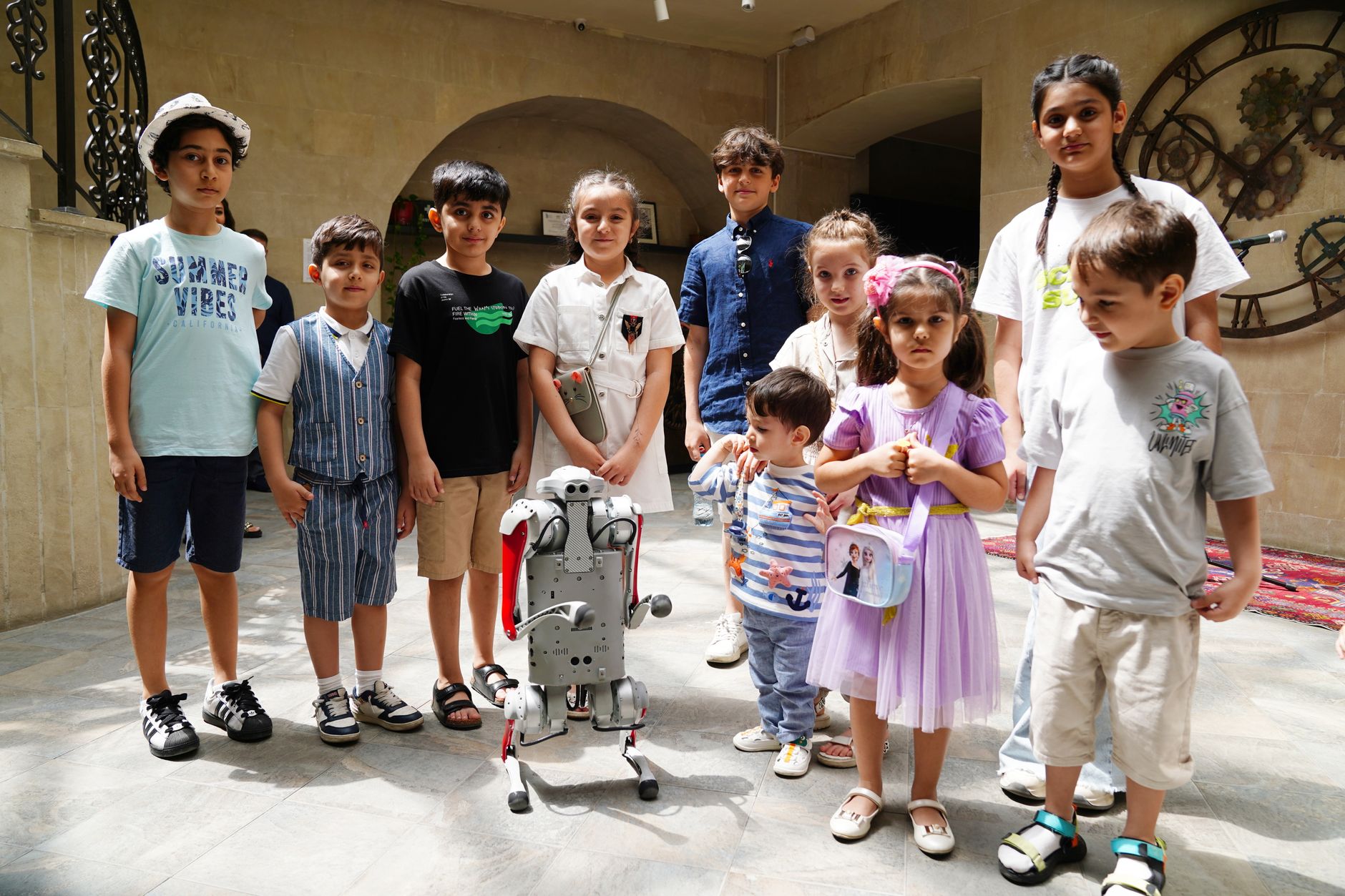
AI regulation for children is becoming increasingly important as lawmakers like Gavin Newsom take action. A new bill has been signed to protect young users from potential risks associated with AI, social media, and chatbots.
Understanding AI Regulation
In recent developments, the need for AI regulation for children has gained significant attention. With advancements in artificial intelligence and its integration into social media and online platforms, concerns about the safety and well-being of young users have escalated. California Governor Gavin Newsom has taken a pivotal step by signing a new bill aimed at regulating AI technologies that interact with children.
This legislation aims to establish guidelines that protect minors from potential harms associated with AI, including misinformation, privacy violations, and inappropriate content exposure. The new regulations will require companies to implement measures that ensure a safer online environment for children, promoting responsible development and deployment of AI tools.
As technology continues to evolve, the focus on ethical AI practices becomes increasingly crucial. By prioritizing AI regulation for children, lawmakers hope to create a safer digital landscape, empowering parents and educators to guide children in navigating the online world responsibly.
The Impact of Social Media on Children
The recent legislation signed by Gavin Newsom addresses the growing concerns surrounding AI regulation for children, particularly in relation to social media platforms. As children increasingly engage with these digital spaces, the impact can be profound and multifaceted.
Social media can influence children’s mental health, self-esteem, and social development. It exposes them to a range of content, some of which may not be suitable for their age. The legislation aims to create a safer online environment by establishing guidelines that protect children from harmful interactions and privacy violations.
Key areas of focus within the new regulations include:
- Data Protection: Ensuring that children’s personal information is safeguarded.
- Content Moderation: Implementing strict filters to minimize exposure to inappropriate content.
- Parental Controls: Providing tools for parents to monitor and manage their children’s online activities.
These steps are crucial for fostering a safer digital landscape for young users.
Key Features of the New Bill
The newly signed bill introduces several key features aimed at ensuring the safety of children in the digital landscape. These provisions focus on AI regulation for children, mandating platforms to implement strict age verification processes to prevent minors from accessing inappropriate content.
Furthermore, the bill requires:
- Transparency: Companies must disclose how their algorithms function, particularly regarding content tailored for younger audiences.
- Data Protection: Enhanced measures to safeguard children’s personal data from exploitation and misuse.
- Parental Control Tools: The introduction of user-friendly tools that empower parents to monitor and manage their children’s online activities.
- Regular Audits: Routine inspections to ensure compliance with safety standards, holding companies accountable for any lapses.
These initiatives are designed to create a more secure online environment, fostering healthy digital interactions for children as they navigate an increasingly complex technological landscape.
Expert Opinions on Child Safety
Experts in child safety and technology have welcomed the recent legislation aimed at regulating AI for children. Dr. Emily Carter, a child psychologist, emphasized the importance of these regulations, stating that “the digital landscape poses unique challenges to young users.” She noted that the new regulations could significantly reduce the risks associated with AI interactions, particularly on social media platforms.
Professor Michael Chen, a technology ethics researcher, highlighted that AI regulation for children should focus on transparency and accountability. “Developers must be held responsible for how their algorithms affect minors,” he said. “This bill is a crucial step in creating a safer online environment.”
Additionally, Sarah Thompson, a children’s rights advocate, pointed out that the legislation addresses privacy concerns. “Protecting children’s data is paramount,” she argued, reinforcing the need for ongoing dialogue about the implications of AI in their lives.
Overall, the consensus among experts is clear: proactive measures are essential for safeguarding children in an increasingly digital world.
Future of AI and Youth Protection
The future of artificial intelligence (AI) holds immense potential, but it also brings significant challenges, particularly regarding the protection of children online. As technology continues to evolve, the need for comprehensive AI regulation for children becomes increasingly critical. Lawmakers are recognizing this urgency, as evidenced by recent legislative measures aimed at safeguarding young users from harmful online content.
Innovations in AI can enhance educational experiences and provide tailored learning opportunities. However, without proper oversight, they can also expose children to inappropriate material and online predators. Future regulations must focus on:
- Transparency: Ensuring companies disclose how AI algorithms operate.
- Accountability: Holding tech firms responsible for the safety of their platforms.
- Age Verification: Implementing robust systems to verify user ages.
As we move forward, collaboration between parents, educators, and policymakers will be essential in creating a safe digital environment for children.
Implementing effective AI regulation for children is crucial to ensure their safety while navigating online spaces. By prioritizing AI regulation for children, we can create a digital environment that protects their privacy and promotes healthy interactions.
Photo by Tahir Xəlfəquliyev on Pexels
Where this came from
Related reading
- Apoorva Mukhija DJ: What Makes Him the Best Rebel Kid?
- Are bio-enhanced geopolymers the best solution for sewers?
- Moral Obligation to Care for Yourself: The Right Choice
About the Author




2 thoughts on “AI Regulation for Children: Smart Steps for Safer Online Use”